
RegenExtracell (Extracell BMC) — autologous bone marrow concentrate, prepared intraoperatively and delivered to the defect in one step. For bone reconstruction and orthopedic/traumatological surgery. CE-marked.
Request clinical documentation or distributor information for your region.
For bone and cartilage that will not heal on their own, RegenExtracell lets the surgeon return the patient’s own regenerative cells to the site. Prepared from a bone marrow aspirate and applied during the same operation, it augments grafting and reconstruction with an autologous bone marrow concentrate.
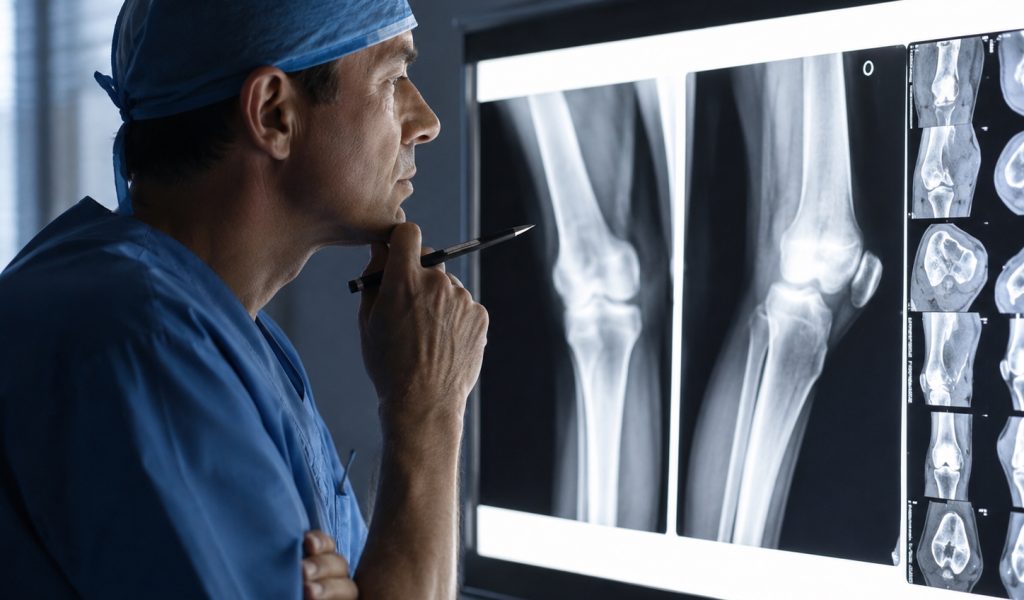
When bone fails to heal — a non-union, a large defect after trauma or tumour resection, an osteonecrotic lesion — the surgeon’s options each fall short in a particular way. Autograft, harvested from the patient, remains the reference because it brings living cells and structure together, but the supply is limited and the harvest carries its own donor-site morbidity and pain. Allograft and synthetic substitutes solve the supply problem but are essentially scaffolds: they can guide bone growth, yet they bring no living regenerative cells of their own. That leaves a gap wherever the biology of healing, not just the scaffold, is what has stalled. This is where an autologous cell concentrate fits — not as a replacement for sound surgical technique or grafting, but as a way to return the patient’s own osteoprogenitor cells to the defect, augmenting the repair the graft alone cannot drive.
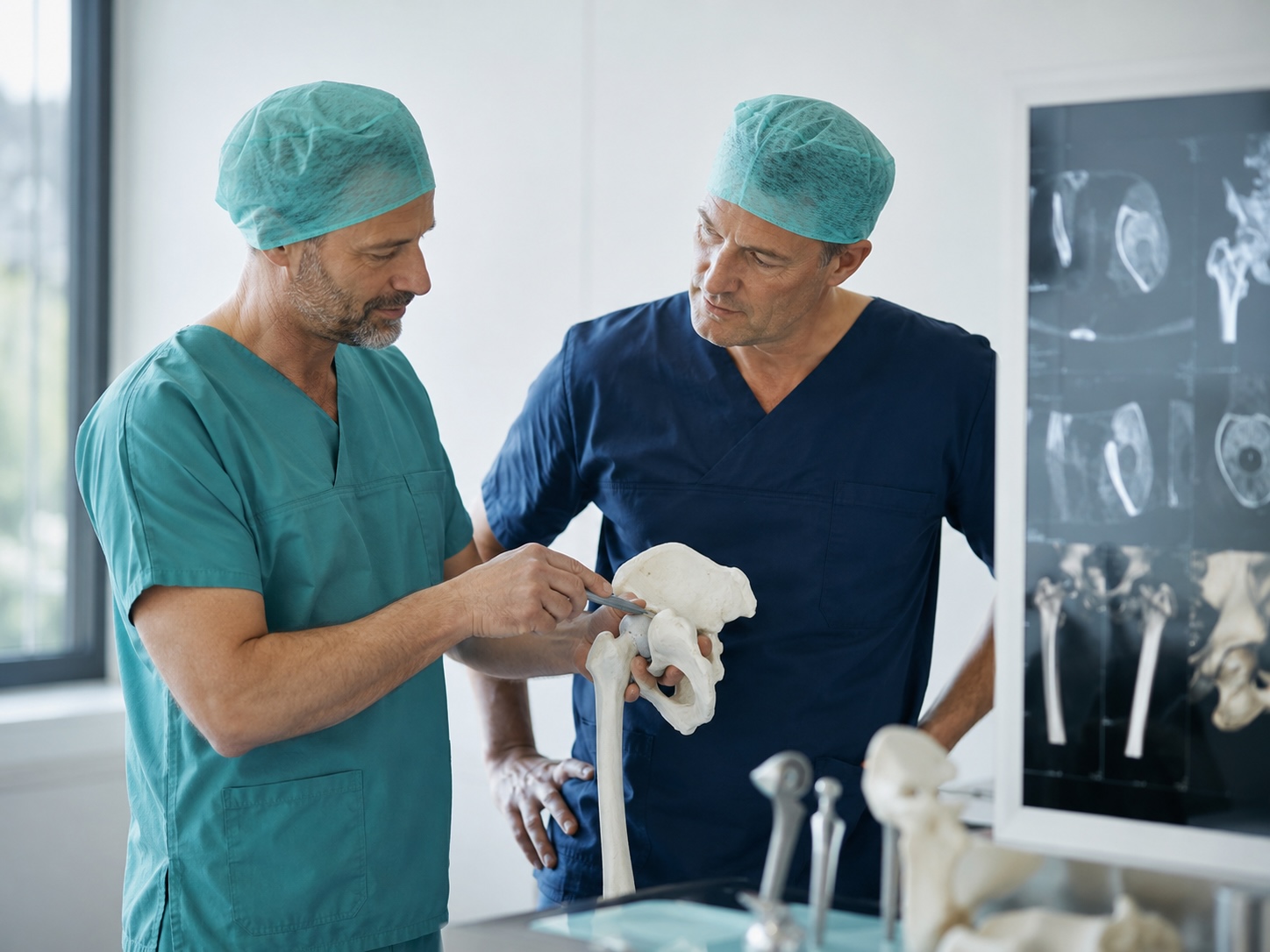
Bone marrow is the body’s own reservoir of the cells that make and repair the skeleton. Within the aspirate sit mesenchymal stromal cells — the precursors capable of osteogenesis and chondrogenesis — alongside growth factors and other mononuclear cells involved in tissue repair. Concentrating that aspirate raises the density of these regenerative cells, so that a clinically useful dose can be delivered to the lesion rather than relying on the sparse population present in unprocessed marrow. Applied to a bone defect, an osteochondral lesion or a fusion site — usually in combination with a graft or scaffold that provides structure — the concentrate contributes the osteogenic and osteoinductive biology the scaffold lacks. The rationale is to pair structure and living cells in one step, at the moment of surgery, using material that is entirely the patient’s own.
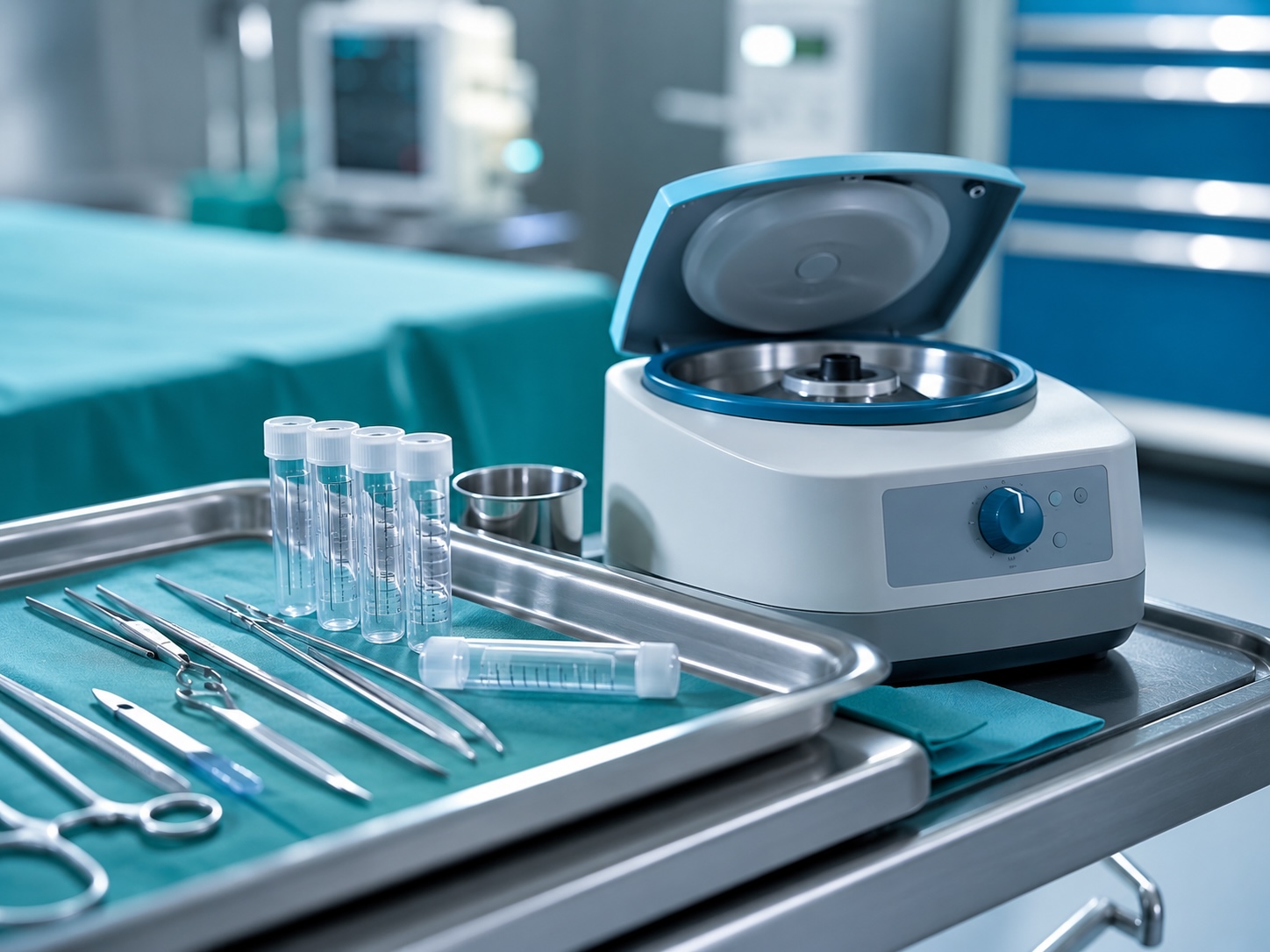
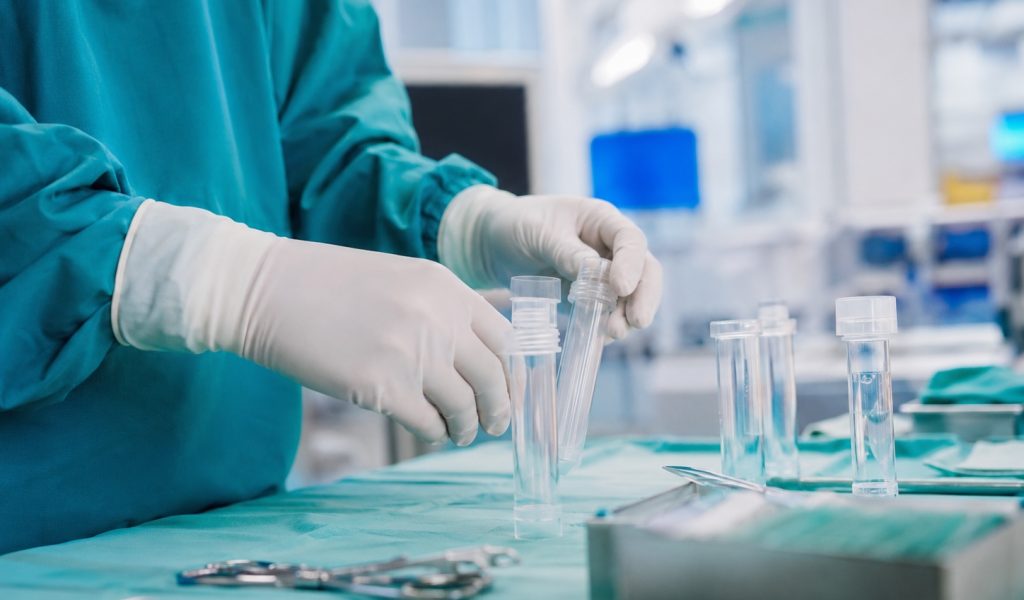
The defining feature of this approach is that it stays within the single operation. Under strict aseptic technique the surgeon aspirates bone marrow, typically from the iliac crest; the aspirate is processed by a short centrifugation in the RegenTHT tubes, which isolate the mononuclear-cell fraction through the inert separating gel; and the resulting bone marrow concentrate is delivered to the lesion — on its own or loaded onto the chosen graft or scaffold — before closure. There is no shipment to a laboratory, no cell selection or culture expansion, and no second procedure: this is a one-step, intraoperative therapy. Because the processing is standardised by the device rather than by hand, the concentrate is reproducible from one case to the next. The preparation and handling detail sits on the RegenExtracell technology page.
Autologous bone marrow concentrate has been studied across several surgical settings — non-union and delayed-union fractures, osteonecrosis, osteochondral lesions and bone-defect augmentation among them — as an adjunct that adds cellular biology to structural grafting. As with any biologic, the strength of that literature depends on how consistent the preparation is; a standardised, device-based concentration removes one important source of variability between cases and centres. Rather than restate individual study results here, our science hub gathers the relevant surgical references in one place, so they can be read in full and weighed against what each market authorises. Because this is a specialist, operative indication, it is best evaluated alongside the surgical technique and grafting strategy it accompanies — not in isolation. Surgeons considering the approach should review both that evidence and the regulatory documentation applicable in their region.
Reconstructive and orthopedic-surgical settings — for example non-union or delayed-union fractures, bone defects, osteonecrosis and osteochondral lesions.
Typically as an adjunct — the concentrate adds living osteoprogenitor cells to an autograft, allograft or synthetic scaffold that provides the structure. It is not a structural graft in itself.
No — the marrow is aspirated, concentrated and reimplanted within the same operation, with no cell selection or culture expansion.
Usually the iliac crest, aspirated under strict aseptic technique in theatre.
Yes — CE-marked as an autologous bone marrow processing kit; its device class differs from the PRP products.