
Regen Lab SA — a Swiss medical-device company, founded in 2003, that designs and manufactures standardised, single-use systems for preparing autologous PRP and its combinations at the point of care. Used by clinicians in 160+ countries.
Request clinical documentation or distributor information for your region.
Regen Lab SA is a Swiss medical-device company founded in 2003 by Antoine Turzi, built on a single idea: that a patient’s own biology, properly prepared, can support healing across many conditions. From its base near Lausanne, it designs and manufactures the closed, single-use systems that let clinicians prepare platelet-rich plasma — and its combinations with hyaluronic acid, thrombin or bone marrow — at the point of care, to a consistent standard. What began with autologous PRP is now a family of technologies used across orthopedics, dermatology, wound care, intimate health and reconstructive surgery.
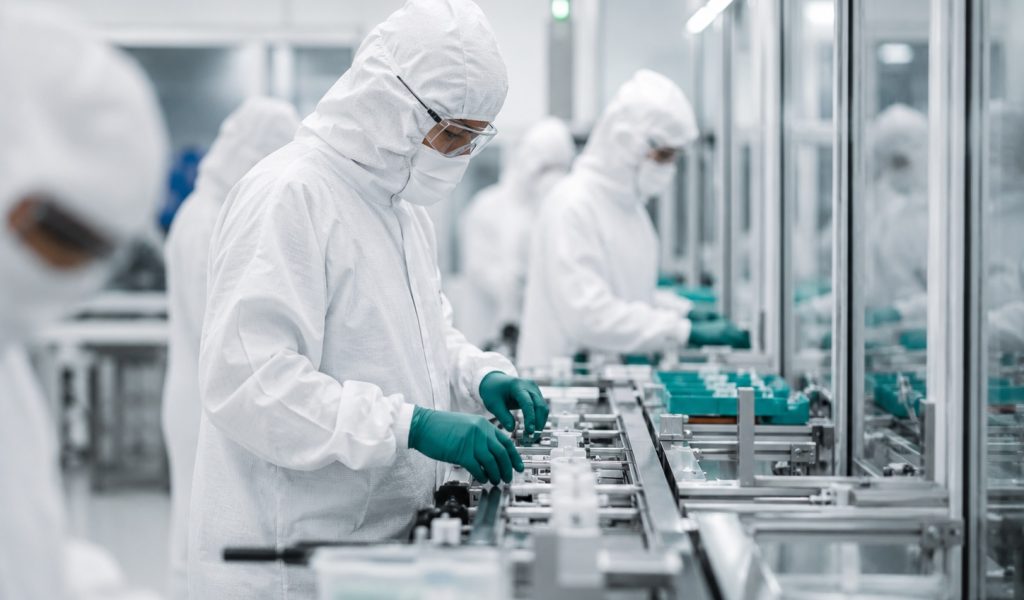
Ask any aesthetic or dermatology practice what patients are asking for, and the answer is increasingly the same: visibly healthier skin — more even, better hydrated, firmer — without downtime and without the “done” look of heavier interventions. The tools on hand rarely land in that sweet spot. Topical regimens act slowly and only at the surface, and depend entirely on the patient keeping them up. At the other end, ablative resurfacing, surgery and volumising fillers deliver change, but with recovery time and a shift in appearance that many people actively want to avoid. What tends to be missing is a middle path: an approach that improves the quality of the skin itself, gradually and from within, by supporting the tissue’s own repair processes rather than layering product on top or cutting into it. Autologous biostimulation is designed for precisely that middle ground.
Regen Lab was built on one idea: a way to separate blood components cleanly and reproducibly using a thixotropic separating gel. The gel behaves as a solid at rest but flows under centrifugation, forming a precise barrier between the platelet-rich plasma above and the red cells below. That single innovation is what turned PRP from an operator-dependent, variable preparation into something standardised enough to be a regulated medical device. Everything the company has built since rests on it — the combination of PRP with non-cross-linked hyaluronic acid (Cellular Matrix, first approved in 2014), with autologous thrombin for wound gels, and with bone marrow concentrate for surgery. It is a distinctly Swiss story: a precision-engineering answer to a biological problem, protected by a patent portfolio filed worldwide and refined over two decades.
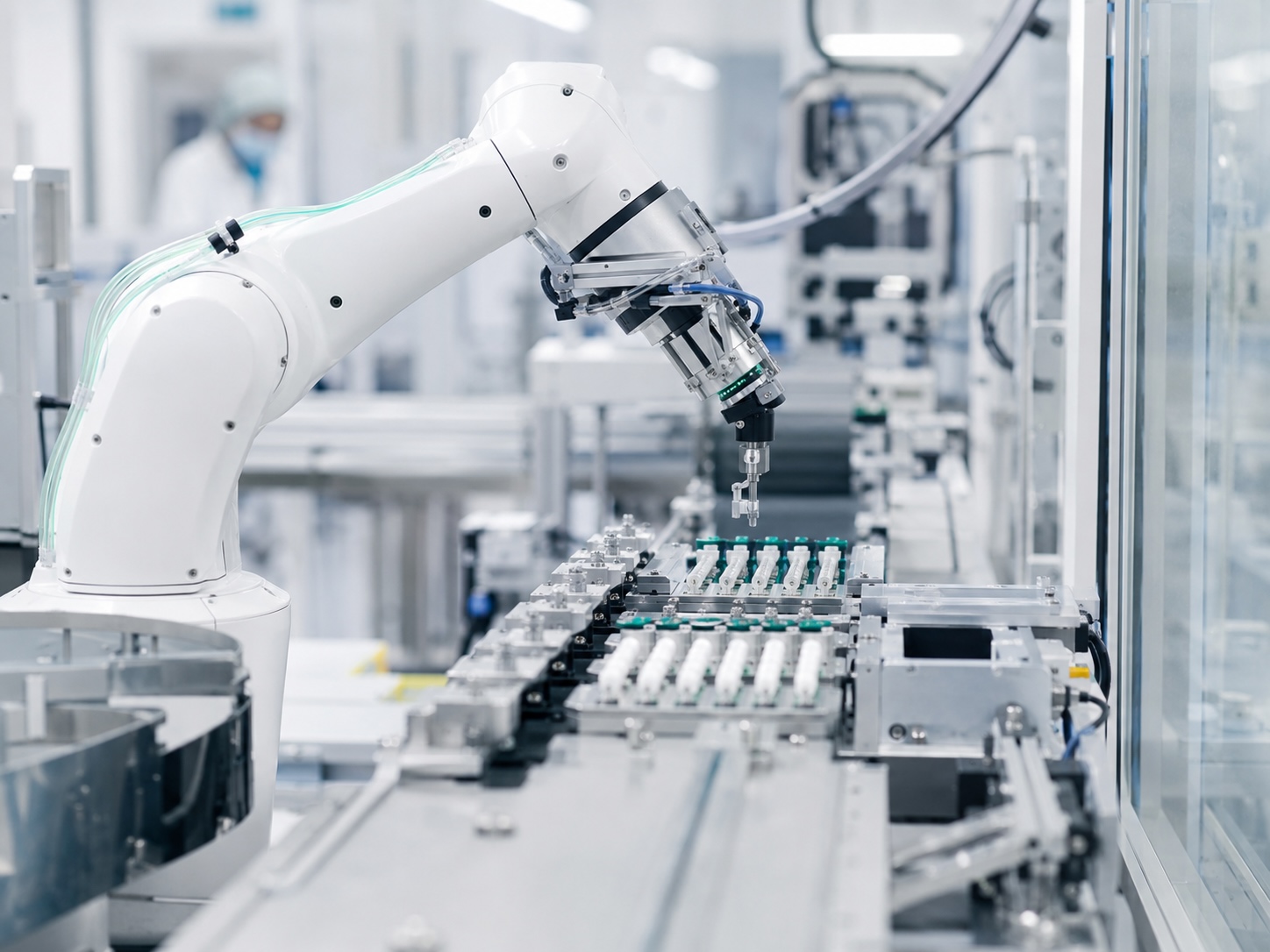
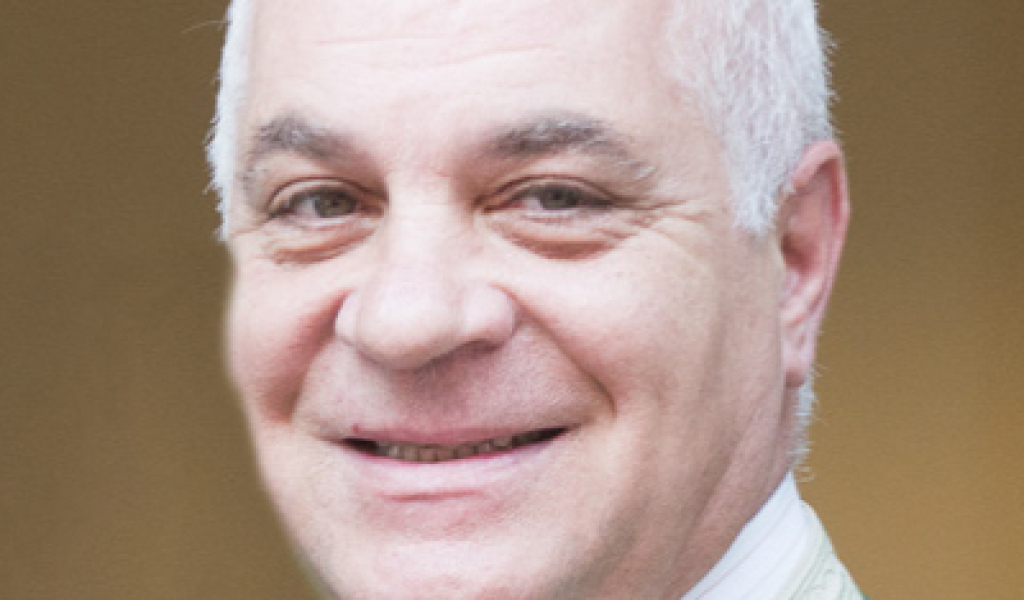
Regen Lab has been founder-led from the very start. The company was founded in 2003 by Antoine Turzi — described in its own history as the “visionary” behind the venture — with the mission of improving patients’ quality of life through solutions based on cellular regeneration. He is the driving force behind the technology that defines the company: the worldwide-patented separator-gel systems that made standardised, closed-system PRP possible, and the successive combinations built on them. More than twenty years on, he still leads the group as Founder and President. His hand remains visible in its current direction — the reshoring of manufacturing to a new Paris-Saclay factory and next-generation work such as the REGENMATRIX PRP-HA programme for advanced knee osteoarthritis — recognised in 2024 when he received the European Investment Bank’s Innovation Champion Award on the company’s behalf.
Behind the founder is a research-led organisation. Regen Lab develops its devices in-house — the company numbers its team at more than fifty scientists in Switzerland, with R&D in Europe and New York — and because it both invents and manufactures, findings move quickly from bench to production. That work is held to a manufacturer’s standards: production under Good Manufacturing Practice in a controlled, non-pyrogenic environment, a quality-management system aligned with international medical-device standards, one of the first MDSAP audits in the PRP field, and CE certification under the EU MDR 2017/745 (renewed in 2023). The result is a global footprint — PRP solutions used, by the company’s account, in more than 160 countries. Regulatory status and availability still differ by market, which our compliance section sets out in full.