
RegenPRP + ATS — standardised RegenPRP set into a gel with autologous thrombin serum (ATS). Prepared bedside as the RegenWound Gel and applied topically. CE-marked; FDA-cleared in the US. The technology behind wound care.
Request clinical documentation or distributor information for your region.
RegenPRP + ATS combines the standardised RegenPRP with the patient’s own thrombin (Autologous Thrombin Serum), so the liquid PRP sets into a gel. Prepared at the bedside as the RegenWound Gel, it is the technology behind RegenLab’s wound-care application.
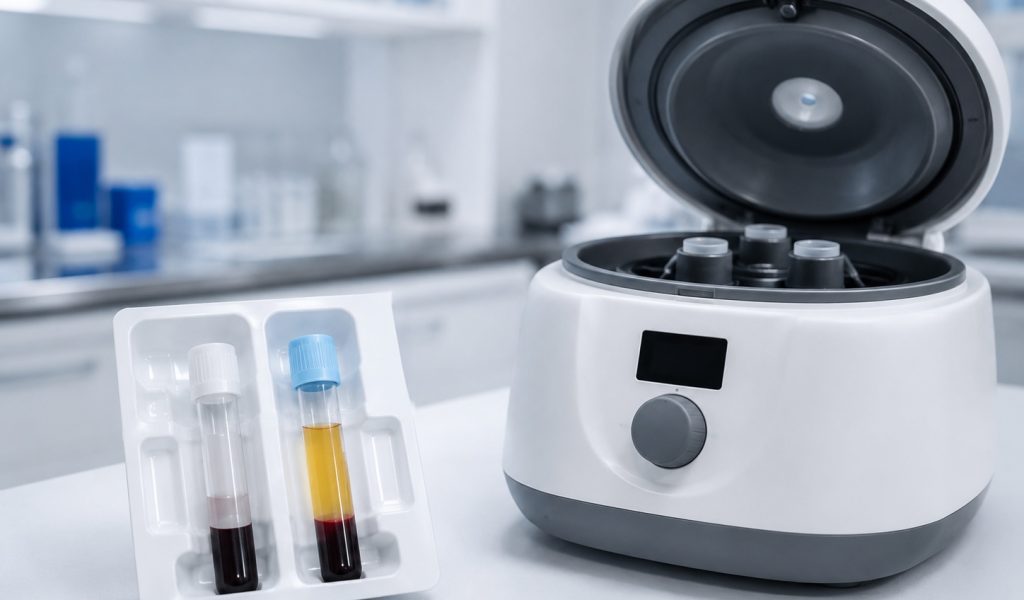
RegenPRP + ATS is a two-tube system. The first tube is the standard RegenKit that produces base RegenPRP — the same standardised, leucocyte-reduced platelet-rich plasma used across the range. The second is the ATS tube, which prepares Autologous Thrombin Serum from the same patient’s blood. Thrombin is the enzyme that drives clotting: added to PRP, it converts the plasma’s fibrinogen into fibrin, so the liquid preparation sets into a gel. Because the thrombin is autologous — made from the patient, not sourced from bovine or pooled human material — the whole preparation stays fully the patient’s own. RegenLab packages this as the RegenWound Gel, in two sizes: a one-PRP-tube kit for smaller areas and a two-PRP-tube kit for larger wounds. Both are single-use and prepared at the bedside.
Preparation is done in the room, in two short stages. First, the patient’s blood is spun in the RegenKit tubes to produce RegenPRP and, in parallel, in the ATS tube to produce the autologous thrombin serum — each by a single centrifugation through the inert separator gel. The two are then combined at the moment of use: as the thrombin meets the PRP’s fibrinogen, fibrin forms and the preparation gels within seconds, trapping the platelets in a mesh right where it is placed. Rather than being injected, the resulting RegenWound Gel is applied directly onto the prepared wound bed and covered with a secondary dressing. Keeping the whole sequence inside single-use tubes and a closed workflow is deliberate: wound care is infection-sensitive, and it removes the open steps where sterility and consistency are most easily lost.
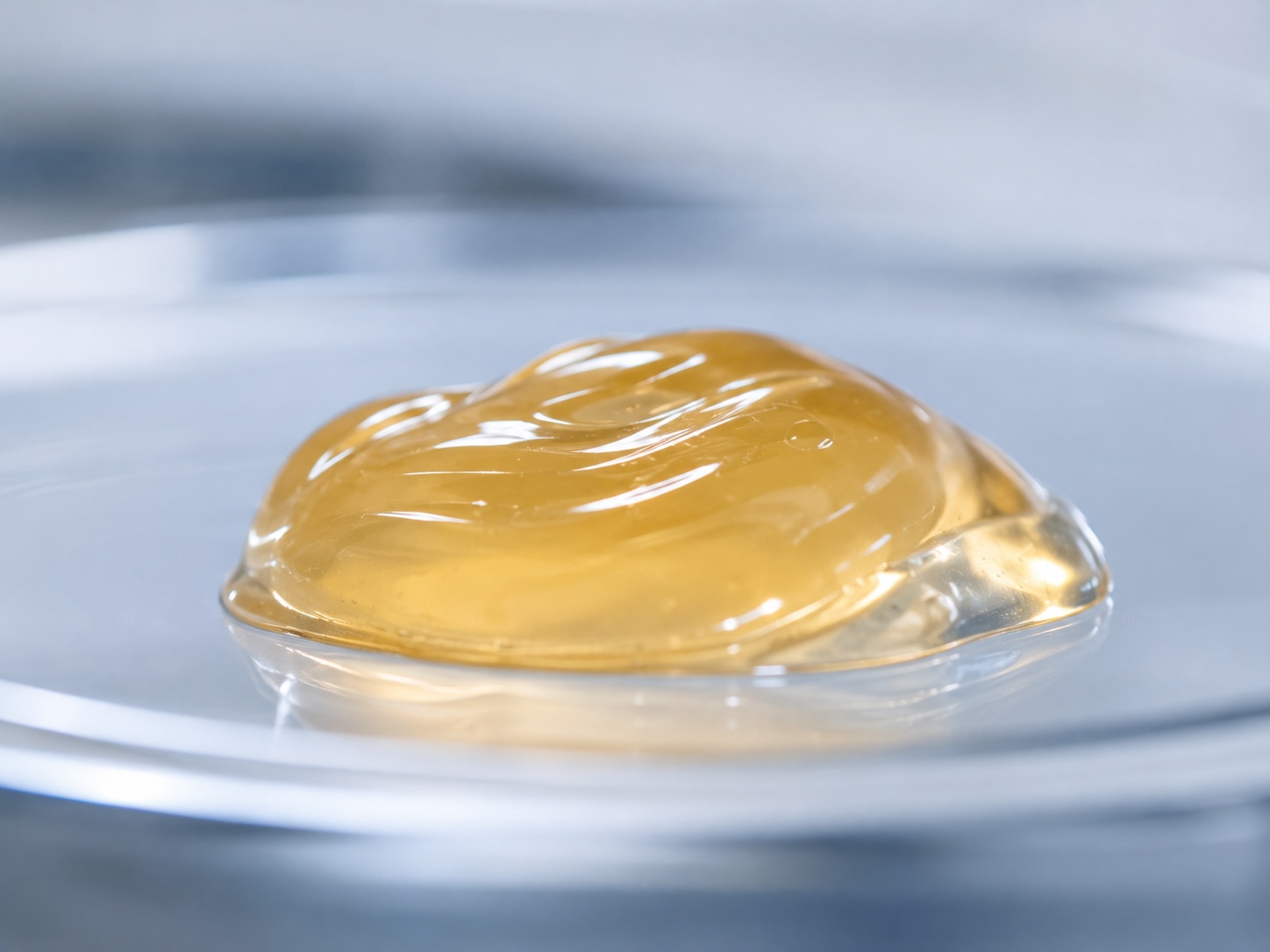
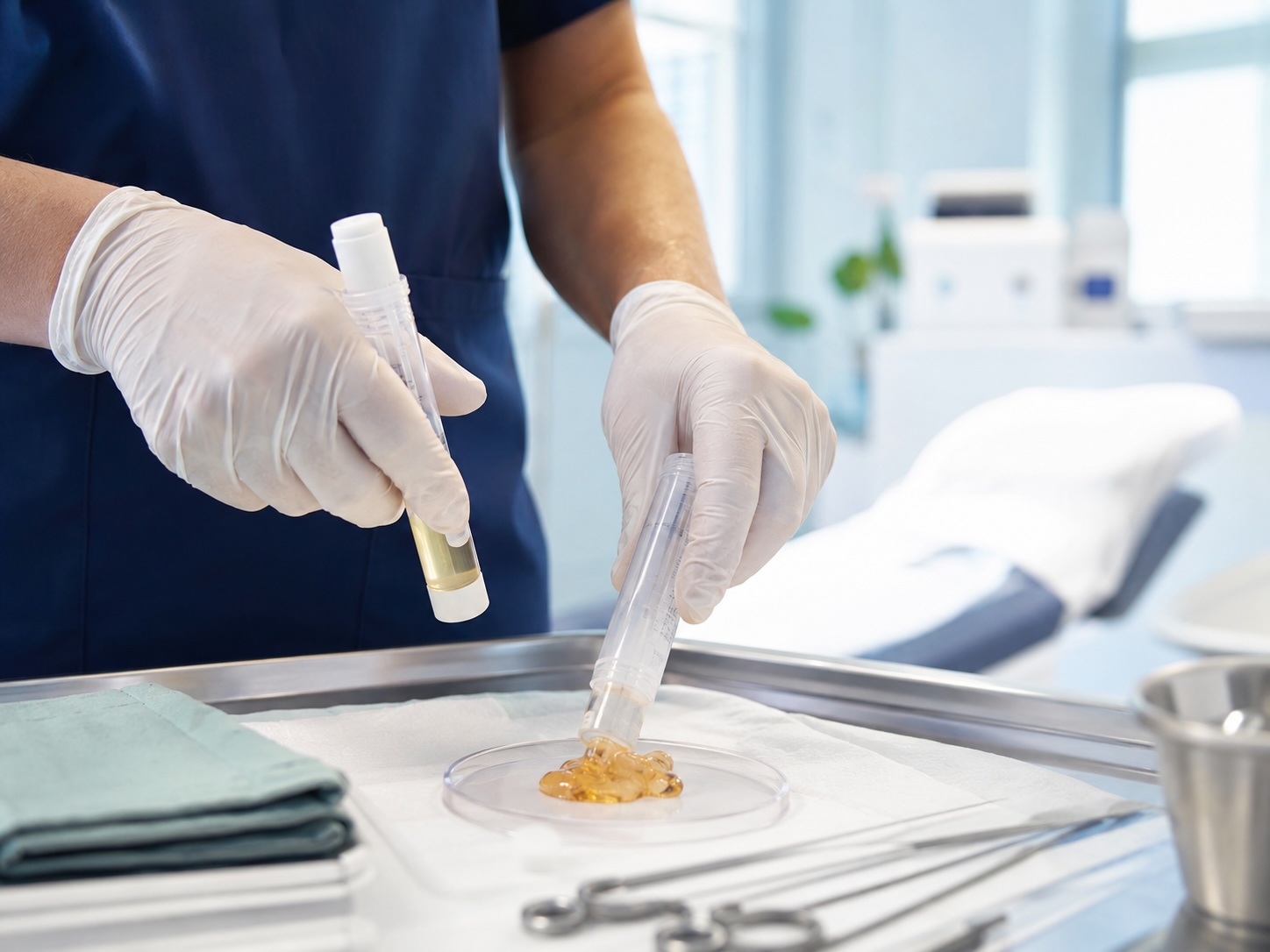
The reason to gel the PRP comes down to contact and release. A liquid PRP runs off an exuding wound; a gel stays in place. As the fibrin sets, it forms a three-dimensional matrix that both holds the platelet concentrate against the wound bed and releases growth factors gradually as the mesh remodels — a more sustained local presence than a liquid could give. Fibrin is also a natural scaffold for the cells involved in healing, supporting re-epithelialisation, granulation and the growth of new vessels. Underneath, the platelet component is the same standardised, leucocyte-reduced RegenPRP as the base product, so the gel starts from a consistent, reproducible platelet quality. The combination — a standardised PRP set into an autologous fibrin gel — is what makes it suited to hard-to-heal wounds.
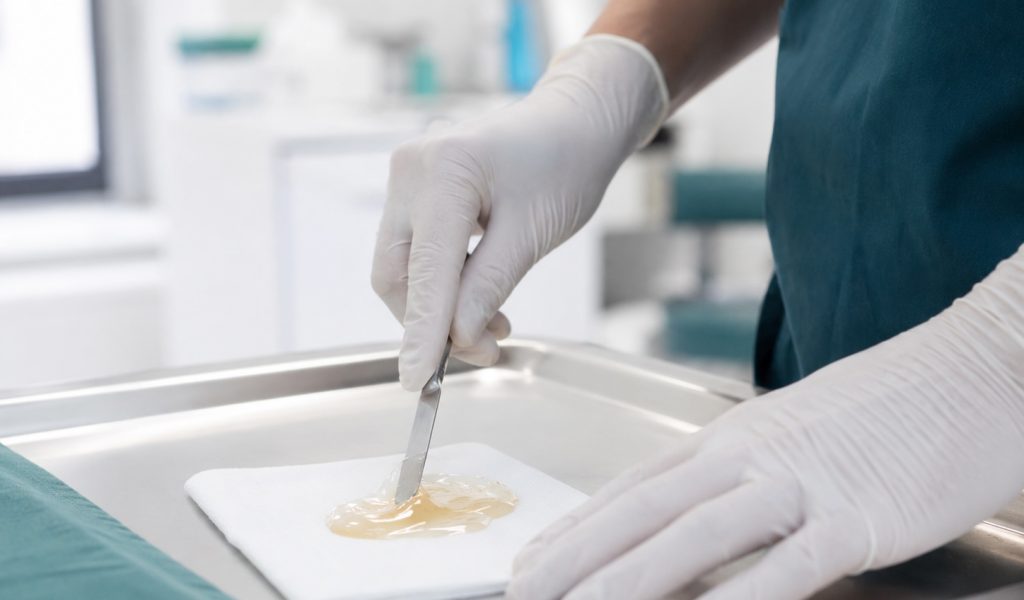
RegenPRP + ATS is the technology behind RegenLab’s wound-care application. As the RegenWound Gel, it is applied topically to hard-to-heal exuding wounds — chronic diabetic foot ulcers, venous and arterial leg ulcers, pressure ulcers, and wounds left after debridement or surgery — as an adjunct to standard wound management rather than a replacement for it. The wound-care section covers the clinical rationale, the application protocol and the evidence, including the randomised trials in chronic ulcers. Regulatory status is favourable across markets here: the gel is CE-marked in Europe and, unlike the PRP-HA products, the RegenKit Wound Gel is also FDA-cleared in the United States for exuding skin wounds — so this is one product that carries cleanly into the US market. For the indication-level detail, see the wound-care page.
ATS is Autologous Thrombin Serum, prepared from the patient's own blood. It supplies the thrombin that gels the PRP — no bovine or pooled-human thrombin is used, so the preparation stays fully autologous.
Topically. It is placed as a gel directly on the prepared wound bed and covered with a dressing — unlike the injected PRP and PRP-HA products.
A one-PRP-tube kit for smaller areas and a two-PRP-tube kit for larger wounds, producing different gel volumes.
Yes — the RegenKit Wound Gel is FDA-cleared for exuding skin wounds, so unlike PRP-HA this product is available in the US. It is also CE-marked in Europe.
Through the contact form — the team provides the IFU, clinical documentation and distributor contact for your region.