
RegenWound Gel — an autologous platelet gel (PRP + ATS), prepared at the bedside and applied topically to the wound bed. For hard-to-heal exuding wounds. CE-marked.
Request clinical documentation or distributor information for your region.
RegenWound Gel is RegenLab’s autologous platelet gel for wound care. Prepared from the patient’s own blood at the bedside and applied topically to the wound bed, it gives clinicians a standardised option for exuding wounds that are slow to heal.
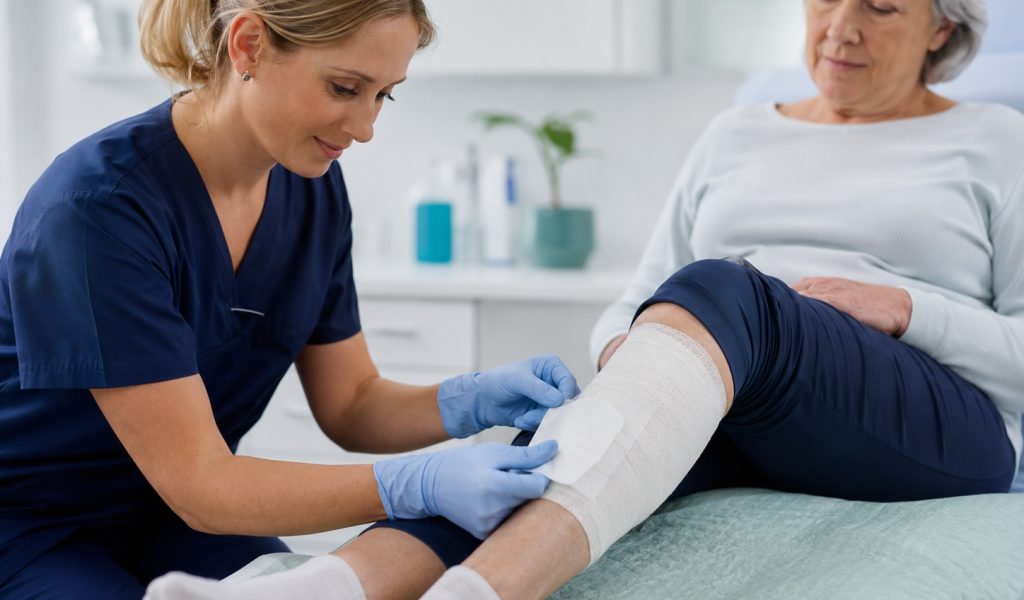
Chronic and hard-to-heal wounds — diabetic foot ulcers, venous and arterial leg ulcers, pressure ulcers and wounds left after debridement or surgery — are a growing burden in ageing and diabetic populations. Standard management is well established: debridement, moisture-balancing dressings, offloading, compression and infection control, and for many patients it is enough. But a substantial group of wounds stall in the inflammatory phase and fail to progress toward closure despite months of correct care, and each additional week carries real cost — in infection risk, in mobility, and occasionally in amputation. For these non-healing wounds, clinicians look for an adjunct that acts on the biology of the wound bed itself rather than only managing the surface. An autologous platelet approach is aimed at exactly that: concentrating the patient’s own healing components and delivering them directly onto the wound, alongside — not instead of — good standard care.
RegenWound Gel is made by combining a platelet-rich plasma fraction with autologous thrombin serum, which turns the liquid PRP into a gel at the point of application. The rationale is twofold. The platelets carry growth factors that take part in the wound-healing cascade — supporting re-epithelialisation, the formation of granulation tissue and the growth of new vessels — while the gel form keeps those components in contact with the wound bed rather than letting a liquid run off an exuding surface. Because both the platelets and the thrombin are drawn from the patient’s own blood, the preparation is fully autologous. Assembling it inside a standardised, single-use kit is what keeps the composition consistent from one application and one clinician to the next. What the wound receives is a single autologous gel, prepared and applied in the same visit.
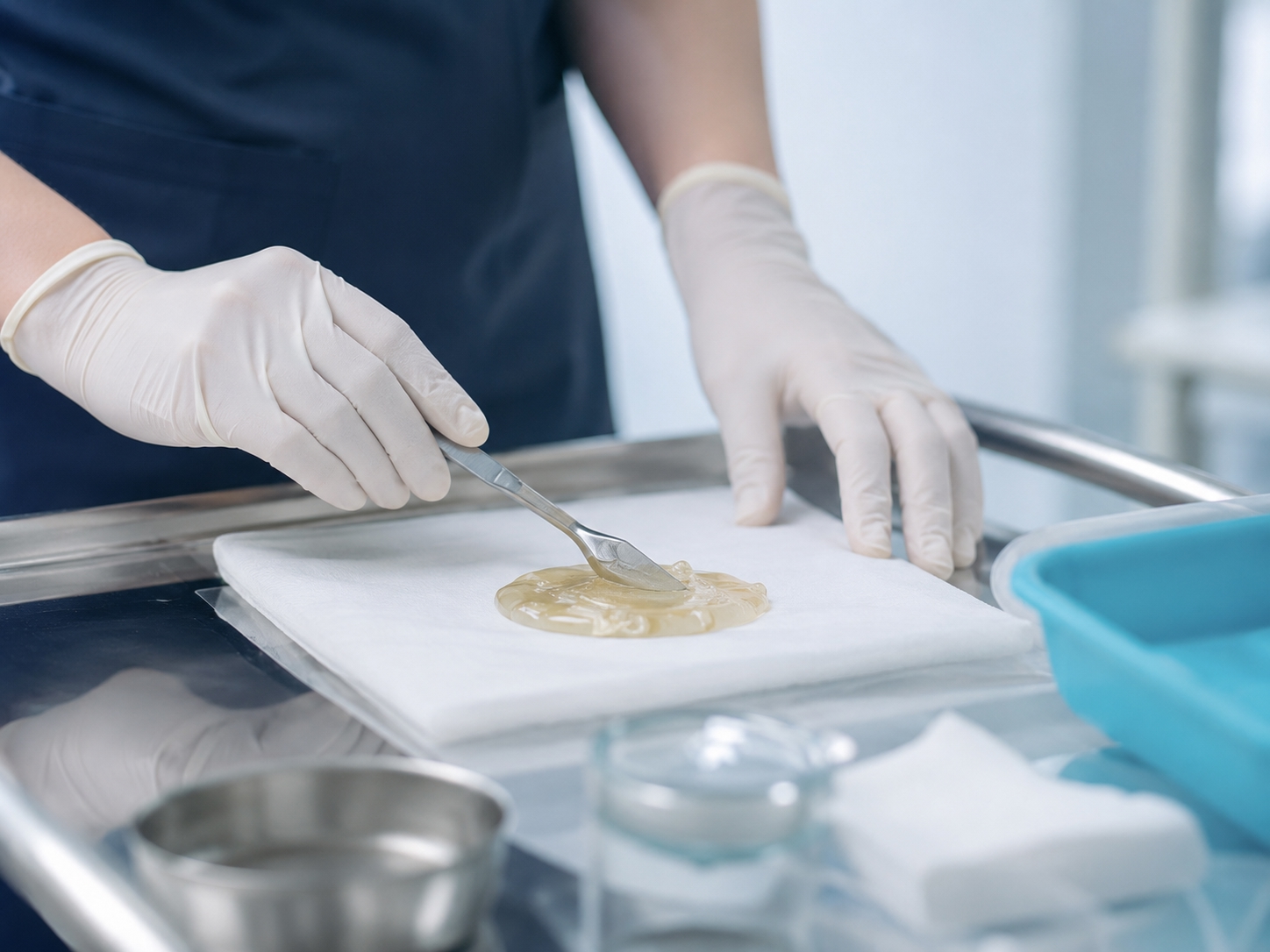
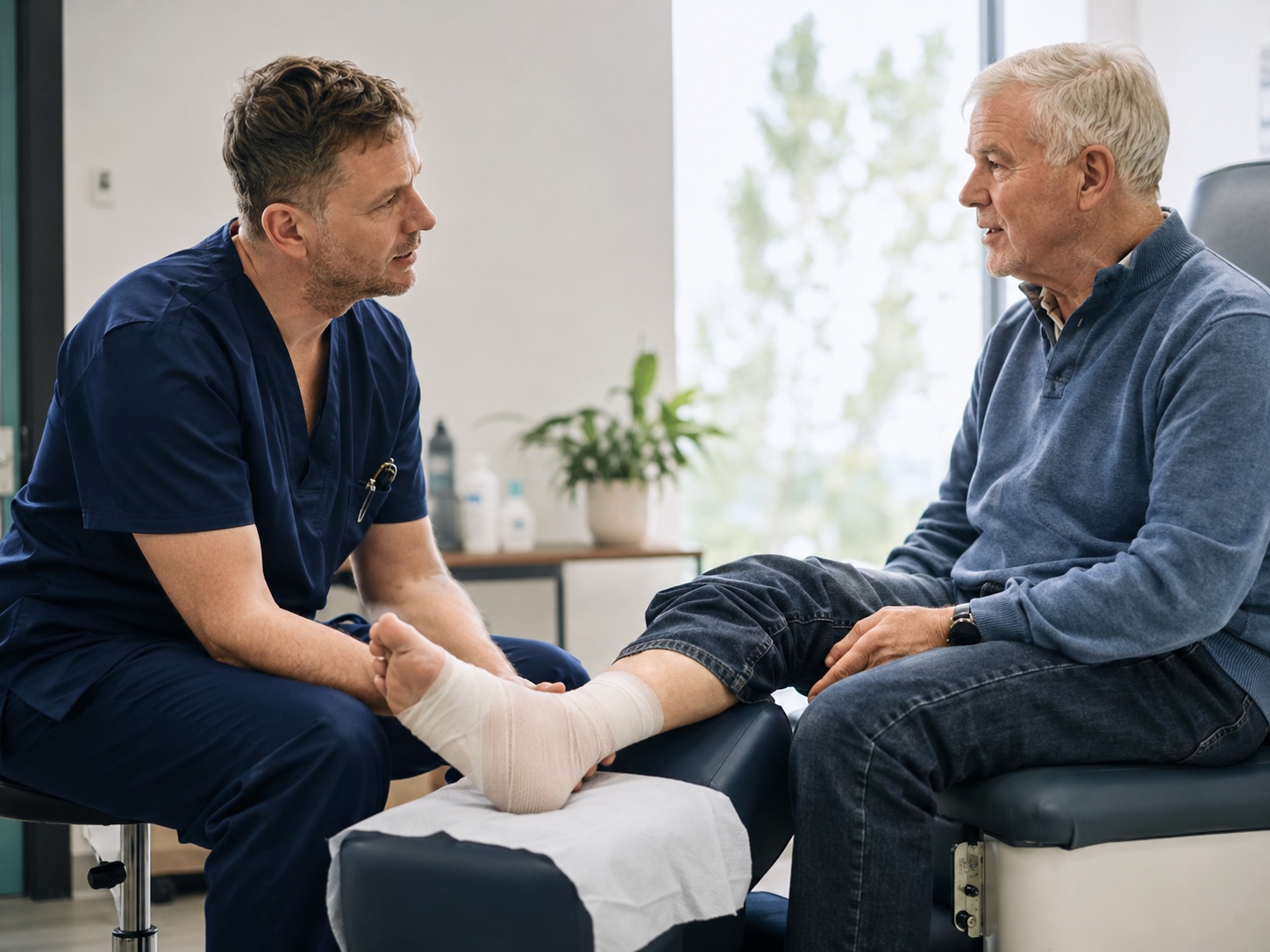
Unlike an injected preparation, RegenWound Gel is applied topically, and the whole process takes place at the bedside during the dressing. The clinician draws a small volume of the patient’s blood into the single-use kit; a short centrifugation isolates the platelet-rich plasma, which is then combined with autologous thrombin serum so it sets into a gel as it is placed. The gel is applied directly onto the prepared wound bed and covered with an appropriate secondary dressing, within the same visit. Keeping everything in a closed, single-use kit is deliberate: wound care is infection-sensitive, and removing open-handling steps protects both sterility and the consistency of the preparation. It fits into an ordinary wound-care or podiatry appointment — no dedicated laboratory, no cell-processing equipment — and is typically repeated over a course of weeks. Application technique and treatment cadence are detailed on the product page.
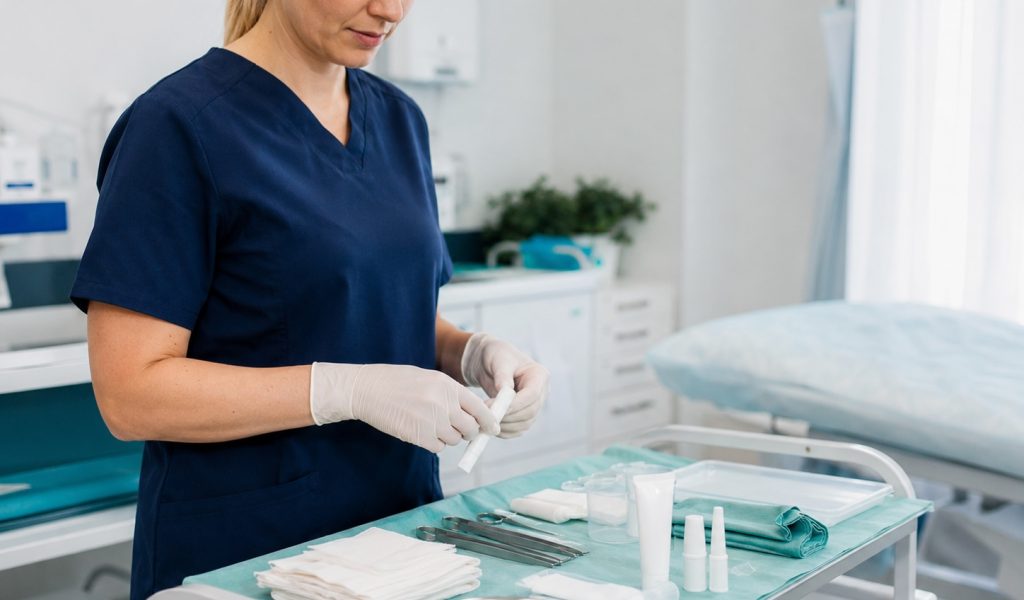
Wound care is an area where platelet therapies have been studied in controlled settings, and RegenWound Gel sits within that literature — including randomised trials in chronic ulcers of diabetic, venous and mixed origin. As with any platelet product, the value of those results depends on the preparation being consistent; a standardised, single-use kit fixes the composition so each application starts from the same baseline, whoever performs it and wherever it is used. Rather than restate individual trial findings here, our science hub collects the relevant references — clinical studies and health-economic analyses — in one place, so they can be read in full and weighed against what each market authorises. Practitioners considering RegenWound Gel should review both that evidence and the regulatory documentation in force in their region, and position the gel as an adjunct to established standard wound care.
Hard-to-heal exuding wounds — chronic diabetic foot ulcers, venous and arterial leg ulcers, pressure ulcers, and mechanically or surgically debrided wounds.
Topically. It is placed as a gel directly on the prepared wound bed and covered with a secondary dressing — unlike the injected PRP-HA products used in other indications.
No — it is used as an adjunct to established management (debridement, dressings, offloading, compression, infection control), not as a substitute.
No. RegenWound Gel is an autologous PRP combined with autologous thrombin serum (ATS) to form a gel; it does not use hyaluronic acid.
CE-marked under the EU MDR; in the United States the RegenKit Wound Gel is FDA-cleared for exuding skin wounds.